Key Characteristics Of Sustainable Textiles For Clothing

As fashion becomes increasingly conscious of its environmental impact, the demand for durable fabrics has increased. Consumers’ clothing choices’ ethical and environmental impact is more important than ever. Sustainable fabrics are gaining popularity as an option to traditional textiles, which often use harmful manufacturing methods and materials. These fabrics offer environmental protection, durability, comfort, and style. Visit https://www.ultra-guard.com/scottsdale-fabric-protection/ provides fabric protection treatments crucial for preserving and extending the life expectancy of eco-friendly fabric. This article explores the essential characteristics of eco-friendly fabrics.

  1. Eco-Friendly Products

One of the key characteristics of sustainable fabrics is their use of environmentally friendly materials. These materials typically come from natural, renewable sources or are manufactured using environmentally friendly methods. The most common sustainable fibers include

  • Hemp: Hemp is a plant that grows well with little pesticides or water. Its versatile and durable fabric makes it a good option for sustainable clothes.
  • Lyocell: Tencel is a sustainable wood pulp. It is processed using a closed-loop process that recycles solvents and water. This fabric has minimal environmental impact and is biodegradable.
  • Recycled Fabrics: Fabrics made of recycled materials (such as PET bottles and old clothing) help reduce waste. Recycled Polyester is one of the most commonly used sustainable materials in the fashion industry.

By choosing these fabrics, clothing producers and consumers can reduce carbon emissions and the need for non-renewable resources.

  • Low Environmental Impact

The production of sustainable fabrics has a low impact on the planet. This includes several factors, including using energy, water, chemicals, waste management, etc. Hemp and natural cotton are both much more water-efficient than conventional cotton. Made from sustainably harvested wood, Tencel uses a closed process to reuse chemicals and water.

Dyeing and finishing are usually used environmentally friendly methods to make sustainable fabrics. These fabrics are produced using water-based, natural, and low-impact or eco-friendly dyes. These dyes reduce the amount of toxic chemicals that enter water systems, which is crucial, as the traditional fabric-dying process is notorious for its environmental impact.

  • Durability

Fabrics that are durable and sustainable are frequently chosen. Fabrics such as organic cotton or recycled polyethylene are well-known for their resilience and strength, making them suitable for creating clothing that lasts much longer than the fast-fashion equivalents. This means less clothing will be thrown out and, therefore, less waste.

Additionally, sustainable fabrics require less frequent washing, which can save water and energy and reduce overall environmental impact. 

This durability also aligns well with the growing trend of slow fashion. Quality and longevity take precedence over mass manufacturing and constant consumption. Sustainable fabrics help to create timeless items that consumers can enjoy for years rather than only for a season.

  • Biodegradability & Circularity

The ability of fabrics to biodegrade or even be part of an eco-friendly fashion system is another key characteristic. These fabrics, such as cotton, hemp, and tencel, are biodegradable. In the end, they decompose naturally in the natural environment. This is in sharp contrast to the decomposition time of synthetic fibers.

Circularity, too, is gaining in popularity within the sustainable fashion industry. Circularity refers to materials and designs that can be reused or recycled. Recycled materials, including recyclable polyester, can be used in clothing to reduce the need for new textiles and their environmental impact.

  • Ethical Manufacturing Standards

Sustainable fabrics often use more ethical manufacturing techniques. They are produced in a safe environment, with workers treated well and fairly paid. Transparency in supply chains is another priority of many sustainable fabric brands. They ensure that the entire production process adheres to ethical and environmental guidelines.

For example, companies that produce fabrics have been certified as having ethical and sustainable practices. These companies ensure workers receive fair pay and that their rights are respected.

Conclusion

Sustainable fabrics benefit the consumer and the environment. They are made using eco-friendly, low-impact materials and are designed to be durable, long-lasting, and biodegradable. By investing in sustainable fabrics, consumers can help create a more environmentally friendly planet and buy clothing that lasts and performs well. The demand for eco-friendly options is growing, and sustainable fabrics will continue to play a crucial role in shaping fashion’s future.

Birthdays To Bachelor Parties: How To Choose The Best Strippers In Mesa?

When planning a party or special event, whether it’s a birthday bash, bachelor party, or celebration in Mesa, hiring professional strippers can add excitement and entertainment. To ensure a memorable experience, choosing the right performers is key. Here’s a guide to selecting the best strippers in Mesa AZ, with tips on what to consider to make your event one to remember.

1. Define The Event’s Atmosphere And Goals

Every event has its own vibe, and the performers you choose should align with that. Ask yourself what kind of atmosphere you want to create. Are you looking for a lively, high-energy performance for a large crowd or something more intimate and fun for a smaller gathering? For a bachelor party, you might want a bit more of a wild, free-spirited vibe, while a birthday party might call for a more personalized experience. Finding the ideal fit will be made easier if you are aware of your objectives.

2. Research Local Options And Reviews

Mesa has several reputable agencies and entertainers, but doing your homework can make all the difference. Start by looking for online ratings and reviews from local agencies or independent performers. Agencies often have a portfolio of dancers, so you can see the variety and style of performers available. The professionalism and caliber of service you can anticipate can be gauged from online reviews. You may find trustworthy, dependable performers who have made a good impact by asking friends or coworkers for references.

3. Evaluate Experience And Professionalism

Experience matters, especially when you want an event to go smoothly. A well-trained professional stripper can read a crowd, tailor their performance to the vibe, and create a memorable experience without crossing boundaries. Look for performers or agencies with a proven track record in event entertainment, as they’re more likely to handle any situation with ease, ensuring your party remains fun and respectful.

Professionalism is also crucial. Reliable entertainers will show up on time, communicate clearly, and come prepared to entertain. When speaking with potential entertainers or agencies, gauge their responsiveness, willingness to answer questions, and general customer service. This will give you confidence that they’ll be reliable on the day of your event.

4. Check For Customization Options

To make your party unique, look for performers or agencies that offer customization options. Many professional strippers in Phoenix AZcan adapt their costumes, themes, and performances to fit your event’s style. If you’re hosting a themed birthday party, ask if the performers can incorporate your theme into their act. For a bachelor party, you might want a more personalized dance for the guest of honor. Discussing customization options in advance will help create an experience that feels tailored to your event.

5. Ensure Clear Communication And Transparency

Once you’ve found an agency or performer that fits your needs, make sure all terms are clearly communicated. Ask about rates, payment methods, time limits, and any additional costs, such as travel fees or tips. Get everything in writing so there’s no confusion on the day of the event. A reputable agency or entertainer will be upfront about costs, expectations, and policies to avoid misunderstandings.

Additionally, ask about any specific requirements or limitations the performer may have. For instance, some performers might have restrictions regarding audience participation or photography during the show. Clarifying these details ahead of time will help you manage expectations and ensure a respectful environment.

6. Respect Boundaries And Create A Comfortable Environment

Creating a respectful and comfortable atmosphere for the performer is essential. Professional strippers are there to provide entertainment, but they’re also working in a personal and interactive setting. Ensure that your guests understand any ground rules, such as refraining from excessive physical contact or taking photos without permission. Most agencies or entertainers will outline these boundaries in advance, but it’s helpful to reinforce them with your guests for everyone’s comfort.

7. Plan For A Memorable Experience

To make the most of your event, plan the performance timing and ambiance. Arrange for the performance to happen when guests are engaged but not distracted by other activities. Provide a private or designated space if possible, allowing the performer to do their job in a comfortable environment that feels exclusive. Set up the lighting, music, and seating to create a welcoming atmosphere for both the guests and the performers.

Conclusion

Choosing the best strippers in Tempe AZ for your birthday, bachelor party, or special event can elevate the celebration, making it truly unforgettable. You may guarantee a good performance that attendees will remember long after the event is over by looking into local choices, putting a strong emphasis on professionalism, and maintaining a polite atmosphere. With these steps, your party will strike the perfect balance of excitement and enjoyment for everyone involved. So, start planning and enjoy the show!

Expert Advice On Restoration: Actions To Take Immediately Following Water Damage

Water damage from a burst pipeline, heavy rainfall, or a leaking machine may occur without notice. It is important to act quickly when water invades your home, as this can lead to significant damage. Quick intervention is essential to minimize damage and effectively begin the restoration process. Here’s an expert guide on restoration for water damage and a step-by-step guide to protect your house.

  1. Turn Off The Water Source

If you believe that water damage was caused by a leaking pipe, appliance, or any other source within the home, stop the flow as soon as possible. This could involve the following:

  • Turning Down the Main Water Supply: When a pipe bursts in the house, turn off your main water valve.

  • How to Repair or Isolate the Leak: You may need to shut off valves on appliances and plumbing or disconnect them.

Stopping the water supply as quickly as possible will minimize the damage and make the restoration process easier.

  1. Documentation Of Damage For Insurance Purposes

For insurance purposes, you should thoroughly document all the damage caused by water before beginning any cleaning. Take pictures or videos of any affected areas. This includes damaged walls, floorings, furniture, personal belongings, etc. This proof will be invaluable when filing a claim, as it supports your case.

  • Create A Detailed Listing: List all the damaged items or structural components. Note the severity.

  • Keep Receipts of Repairs and Restoration Services: If you hired professionals or purchased any materials for restoration, keep receipts to be reimbursed from your insurer.
  1. Remove Standing Water

Remove any water that is standing on your property. The quicker you get rid of the water, the less damage it will damage the structure and content of your home. This is how you can accomplish this:

  • Use Pumps or Wet/Dry Vacuums: For larger amounts of water, sump pumps or wet/dry vacuums can be highly effective for removing any standing water.

  • Manual removal for small amounts: If minimal flooding occurs, use towels, mop buckets, or buckets. This method is suitable for small amounts of water damage.

  • Hire a Professional: When your home has severe water damage, it is best to hire a restoration company that specializes in cleaning and water removal. They are equipped with industrial-grade machinery that can safely and effectively remove large amounts of moisture.
  1. Thoroughly Dry The Affected Regions

Properly drying the affected area is vital to prevent secondary problems, such as mold growth and structural deterioration. After removing the water, thoroughly dry all affected areas.

  • Use Fans and Dehumidifiers: Place high-powered fans and dehumidifiers near damp areas to speed up drying. This will decrease humidity levels and evaporate residual moisture.

  • Opening Windows and Doors: Open windows or doors to let fresh air in when the weather allows. If air is flowing freely, this can accelerate the drying process.

  • Removing Wet Carpets: Remove any wet carpets. These items absorb moisture and can make it difficult to dry out the affected area effectively.
  1. Inspect The Mold For Growth

Mold can appear within 24-48 hours of water damage, so you should check for any signs as soon as the restoration process begins.

  • Look for Visible Mold: Mold usually appears as dark spots of discoloration, especially on ceilings and walls. It may also smell musty.
  • Consider Mold-Resistant Material During Restoration: When replacing drywall insulation and other materials, use mold-resistant products.
  1. Beginning Restoration And Repairs

When the affected areas of your home are clean and dry, you may begin repairing and restoring them. Depending on how severe the damage is, you may need to:

  • Plumbing Repairs: If water has damaged electrical outlets and wiring, hire a licensed technician to inspect and fix the systems.

  • Cosmetic restoration: Once structural and security issues are addressed, you can repaint and refinish walls and floors and redecorate the home to bring it back to its original condition.

Conclusion

Water damage restoration is a complex process. Following the correct steps and acting fast can make a big difference. It is essential to follow each step to avoid further damage and to restore your home. Although minor incidents are manageable using DIY techniques, in some cases, serious situations require professional restoration. Follow these steps to minimize water damage on your property.

How Aggregate Equipment For Sale In Denver Can Transform Your Construction Projects?

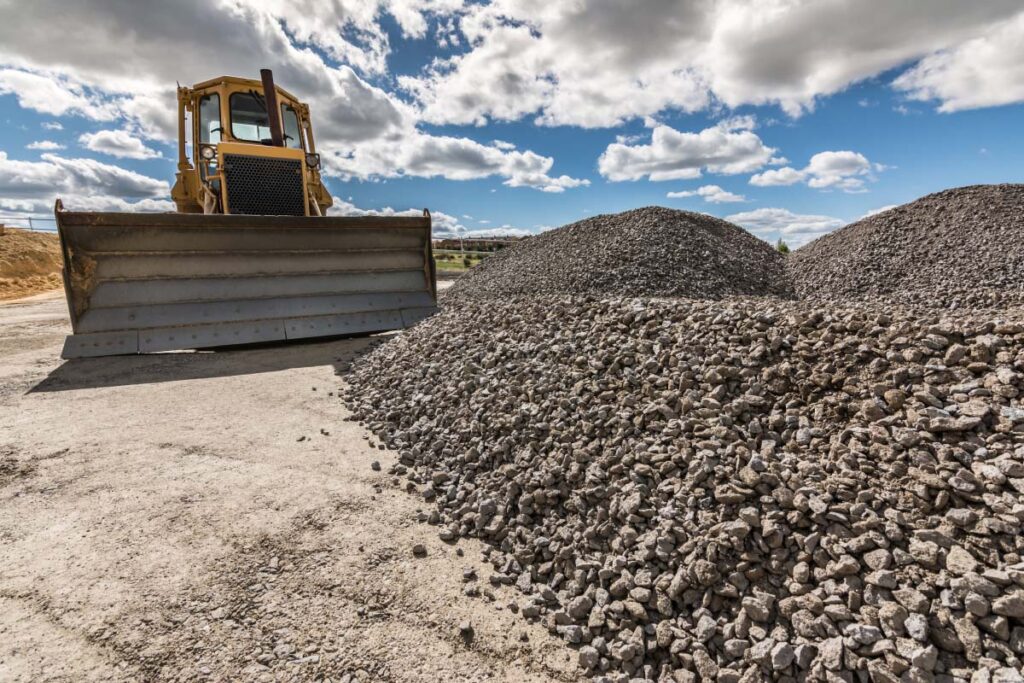
When it comes to construction projects, having the right equipment is key to ensuring efficiency, safety, and cost-effectiveness. Aggregate equipment—machinery used in the processing and handling of materials like gravel, sand, and crushed stone—plays a vital role in various phases of construction, particularly in infrastructure projects. If you’re a contractor or construction business owner in Denver, investing in aggregate equipment can significantly boost your operations, enabling you to manage resources better and meet project deadlines. Here’s how aggregate equipment for sale in Denver can transform your construction projects.

1. Enhanced Project Efficiency

Increasing the efficiency of your building projects is one of the strongest arguments for investing in aggregate equipment. Equipment such as crushers, screeners, conveyors, and washers streamline the production and processing of aggregate materials. For instance, crushers can break down large rocks into manageable pieces, while screeners help separate materials by size. Your team can complete more work in less time by automating these procedures, which also removes the need for manual labor and lowers the possibility of delays.

In Denver’s construction market, where tight deadlines are common, having the capability to process materials quickly can be a game-changer. With the right aggregate equipment, your operations can maintain a consistent flow of materials, allowing projects to proceed smoothly and efficiently.

2. Cost Savings In The Long Run

Purchasing aggregate equipment in Denver can represent a significant investment upfront, but the long-term cost savings are worth it. Renting equipment can drain financial resources over time, especially for businesses that frequently need access to crushers, screeners, or other machinery. Owning your own aggregate equipment reduces dependency on rentals, giving you more control over your schedule and minimizing downtime caused by waiting for rented equipment to arrive.

Moreover, investing in quality machinery can reduce material waste. Aggregate equipment like conveyors and screeners help you better sort and manage materials, ensuring that you use only what’s needed and recycle excess aggregate. This leads to cost savings on materials and helps create a more sustainable operation.

3. Improved Safety For Workers

Construction work can be hazardous, particularly when heavy materials and machinery are involved. Aggregate equipment for sale in Denver offers an added layer of safety by automating risky tasks. Conveyors, screeners, and crushers lower the danger of accidents caused by human handling of heavy materials by enabling workers to operate machinery remotely or from a safe distance.

Additionally, modern aggregate equipment is designed with advanced safety features such as emergency stop systems, machine guarding, and sensor technology that detects potential hazards before accidents happen. Investing in this equipment not only protects your workers but also helps you meet Denver’s safety regulations and industry standards.

4. Increased Versatility

Another advantage of investing in aggregate equipment is its versatility. Whether you’re working on residential projects, bridges, or roadways, these machines can be modified to meet your specific construction needs. Because they can process a variety of materials, including stone, asphalt, and concrete, crushers are ideal for recycling and demolition projects. Screeners can be used to sort everything from topsoil to gravel, and conveyors can be customized to transport materials across different distances.

In a growing city like Denver, where diverse construction projects abound, having equipment that can perform multiple tasks is essential. This versatility allows you to tackle a broader range of projects, expand your business offerings, and stay competitive in the market.

5. Supporting Sustainability Efforts

In building, sustainability is becoming a more significant consideration, particularly in a city like Denver that prioritizes ecologically conscious methods. Aggregate equipment plays a crucial role in reducing the environmental impact of construction projects. By investing in crushers and screeners, you can recycle and reuse materials like concrete, asphalt, and stone, cutting down on waste and conserving natural resources.

This fits with the increasing need for sustainable building standards and improves your company’s green credentials. By purchasing aggregate equipment, you demonstrate a commitment to eco-friendly operations, which can attract environmentally conscious clients and developers in Denver.

Conclusion

For construction companies in Denver, the right aggregate equipment can make a world of difference. By enhancing efficiency, reducing costs, improving safety, increasing versatility, and supporting sustainability efforts, these machines can transform the way you approach projects. Whether you’re a small contractor or a large construction firm, investing in aggregate equipment can provide a solid foundation for long-term success.

A Beginner’s Guide To Real Estate Photography: Techniques And Equipment

Real estate photography is an important part of making property listings that look good and draw buyers. Having good pictures of a house can really speed up the process of renting or selling it. Whether you’re a homeowner, a real estate agent, or a beginner shooter, learning the basic techniques and tools of real estate photography will help you take pictures that show off a home’s best features.

Why Real Estate Photography Matters

Real estate listings with clear, well-lit, and professionally composed photographs receive more views, generate greater interest, and typically result in faster sales. High-quality images allow potential buyers to envision themselves in the space, increasing the likelihood of inquiries and viewings. Effective real estate photography can give a competitive edge to your property listings.

Taking pictures of homes for sale is very important because most people start their home looking online. The images serve as a buyer’s first impression and could make the difference between a quick scroll past or a deep interest in the property.

Key Techniques for Real Estate Photography

Before discussing the equipment, mastering a few essential techniques is crucial to producing quality real estate images.

1. Lighting

Lighting is one of the most important elements in photography, especially in real estate. The best real estate photos are well-lit, showcasing the rooms’ full potential. Natural light is ideal, so it’s best to schedule your photo shoots during the day. Open all blinds and curtains to let in as much light as possible.

If the natural light is insufficient, supplement it with artificial lighting. Use soft, ambient lighting to avoid harsh shadows and overly bright spots. Be cautious with flash photography, as it can often result in overexposure or cause unflattering reflections.

One valuable technique for lighting is HDR (High Dynamic Range) photography, where multiple exposures are merged into one, balancing the darker and brighter parts of the photo for a more even, professional look.

2. Composition

A room can look and feel better in pictures if the arrangement is good. To set up your shots, use the rule of thirds. This method divides your image into a grid with two horizontal and two vertical lines. Positioning key elements along these lines creates a balanced and aesthetically pleasing image.

Getting rid of any junk in the room is also important before taking shots. Real estate photography that is simple lets potential buyers focus on the room instead of other things that might be in the way. Clear off surfaces and get rid of personal things to make the background look clean and neutral.

3. Use Wide-Angle Lenses

Wide-angle lenses are essential in real estate photography, as they help capture more of the room in a single shot. These lenses can make even smaller spaces look larger and more open, giving a sense of scale to the room. However, be cautious not to use too wide of a lens, as it may distort the space and make it appear unrealistic.

Inside, a lens with a focal length between 14mm and 24mm works best. For this range, the blur is just right, and it shows more of the room.

4. Focus on Straight Lines

Keep an eye on the vertical and horizontal lines in your composition. Tilted or crooked lines can be distracting and make the room appear distorted. Always aim to keep vertical lines, such as doorframes and window edges, straight in your photos. This can be adjusted during the editing process, but it’s best to capture it as accurately as possible during the shoot.

5. Capture Multiple Angles

For each room, take photos from several angles to provide a full perspective of the space. Start by taking wide shots that capture the entire room, then move on to closer shots that highlight unique features such as built-in shelves, fireplaces, or architectural details. For larger properties, include exterior shots of the house and any special outdoor features like pools or gardens.

Essential Equipment for Real Estate Photography

Investing in the right equipment can greatly improve the quality of your real estate photos. Here’s a list of the most important tools for getting started:

1. Camera

For real estate photography, you need a camera with a good resolution. You can get pretty good pictures with a smartphone, but you’ll have more control over the lighting, focus, and depth of field if you use a DSLR or mirrorless camera. Find a camera that lets you change settings like ISO, aperture, and shutter speed by hand.

For beginners, you don’t need the most expensive camera, but a mid-range DSLR or mirrorless camera will give you the flexibility to produce professional-looking images.

2. Wide-Angle Lens

As mentioned earlier, a wide-angle lens is a must for capturing more of the space. Look for a lens with a focal range of 14mm to 24mm. This range is perfect for real estate photography, as it will allow you to fit entire rooms into your shot without creating distortion.

3. Tripod

Especially when there isn’t much light, you need a tripod to keep your camera straight. If you’re taking in a dark room or with a slow shutter speed, a tripod will help you get clear pictures. A sturdy, adjustable tripod is worth the investment and will allow you to experiment with different angles and heights.

4. External Lighting

While natural light is preferred, there will be times when you’ll need additional lighting to enhance the room’s brightness. An external flash or continuous lighting kit can help you achieve the right balance of light, especially in darker rooms or spaces with limited windows. Use soft, diffused lighting to avoid creating harsh shadows or reflections.

5. Photo Editing Software

Editing is an important part of real estate photos. Most pictures need some work after they are taken to fix the lighting, brightness, and color balance. Some photo editing software, like Adobe Lightroom, lets you make small changes to your pictures to make them look more polished and professional.

You can also use editing software to make your pictures brighter, straighten out lines, and get rid of any small flaws. It is especially helpful to use HDR shots to balance out the different lighting in a room.

Understanding the Real Estate Photography Prices List

When starting as a real estate photographer, it’s important to familiarize yourself with industry pricing standards. A real estate photography price list typically includes several packages based on the number of images, the size of the property, and additional services such as drone photography or virtual tours.

For beginners, it’s a good idea to offer competitive pricing as you build your portfolio. Typical price ranges can vary from $100 to $500 per shoot, depending on location, property size, and the scope of the project. As your skills and experience increase, you can adjust your rates to reflect the value you provide to your clients.

Conclusion

Photography for real estate is a great way to sell homes. No matter how much experience you have as a photographer, learning the basics and having the right gear will help you take beautiful pictures of homes that really stand out.

Pay attention to lighting, framing, wide-angle lenses, and editing when taking real estate photos. This will help you get better pictures that show off homes in the best light, which will make them more appealing to buyers.

Aggregate Equipment In Winnipeg: Enhancing Durability And Efficiency In Construction

Specialized equipment is essential for the construction industry in Winnipeg, as it is in numerous other locations, to guarantee that projects are completed to a high standard and with efficiency. Aggregate equipment, a cornerstone in construction and quarrying activities, plays a critical role in ensuring that building materials are produced, processed, and delivered in the most efficient and durable way possible. From crushing and screening to washing and conveying materials, aggregate equipment enhances productivity while maintaining the structural integrity of construction projects.

Introduction To Aggregate Equipment

A vast array of machinery is referred to as aggregate equipment, and it is utilized in the processing of raw materials such as sand, gravel, crushed stone, and other minerals. Common types of aggregate equipment include crushers, screens, conveyors, and washers, all designed to perform specific tasks within the material production and handling process. These machines ensure that construction sites have access to high-quality materials, which are essential for durable and long-lasting infrastructure.

Aggregate equipment in Winnipeg is vital to support the city’s infrastructure development, including roads, buildings, and bridges. The city’s harsh winters and fluctuating weather patterns demand that construction materials be of the highest durability, and aggregate equipment ensures this standard is met.

Enhancing Efficiency In Construction

Efficiency is one of the primary benefits of using aggregate equipment in Winnipeg’s construction industry. The building process is accelerated by these machines’ capacity to handle massive amounts of material quickly. Aggregate crushers, for example, can crush tons of rock and stone in a matter of minutes, reducing labor costs and saving time. This efficiency allows construction companies to meet tight deadlines and complete projects within budget.

Screening equipment also plays a crucial role in improving efficiency. These machines sort aggregates into different sizes, ensuring that the right materials are used for specific construction needs. Whether for road construction or residential building foundations, screening equipment ensures that only the highest quality materials are used, which in turn improves the overall durability of the project.

Conveyors and washers also simplify material handling procedures, lowering the requirement for manual labor and error-proneness. Conveyors transport aggregates seamlessly across sites, ensuring that the materials reach the necessary locations without delay. Meanwhile, washers remove unwanted particles like clay, dust, or silt from aggregates, ensuring cleaner and more durable building materials. These enhancements contribute significantly to time and cost savings in Winnipeg’s construction projects.

Durability And High-Quality Materials

The extreme weather conditions in Winnipeg present unique challenges for construction projects. Winter temperatures regularly dip well below freezing, and thawing periods can lead to rapid wear and tear on infrastructure. As a result, it’s critical for construction materials to meet stringent durability requirements to withstand these conditions.

Aggregate equipment ensures the production of high-quality, durable materials essential for long-lasting infrastructure. By crushing and processing materials like gravel and stone to exact specifications, aggregate equipment contributes to the creation of robust building materials that can endure the freeze-thaw cycles common in Winnipeg. These processed materials are also less prone to erosion and degradation over time, ensuring that roads, bridges, and buildings maintain their structural integrity for years.

Supporting Winnipeg’s Infrastructure Development

Winnipeg is a growing city with ongoing residential, commercial, and infrastructure projects aimed at meeting the demands of its expanding population. Aggregate equipment is essential in supporting this development by providing the materials necessary for these construction efforts. Whether it’s the expansion of the Perimeter Highway or the development of new residential areas, aggregate equipment ensures the supply of foundational materials to support these projects.

Additionally, the use of aggregate equipment in the local quarrying industry contributes to the availability of resources within Winnipeg itself, reducing the need to import materials from other regions. This local sourcing minimizes transportation costs and environmental impact, further enhancing the efficiency and sustainability of construction projects.

Conclusion

Aggregate equipment plays an indispensable role in enhancing durability and efficiency in Winnipeg’s construction industry. By streamlining the processing of raw materials and ensuring the production of high-quality aggregates, these machines support the city’s infrastructure needs while saving time and money. As Winnipeg continues to grow, the importance of aggregate equipment will only increase, providing the foundation for durable, long-lasting, and efficient construction projects across the city.

Why Regular Furnace Repair In Denver Is Essential For Winter Comfort?

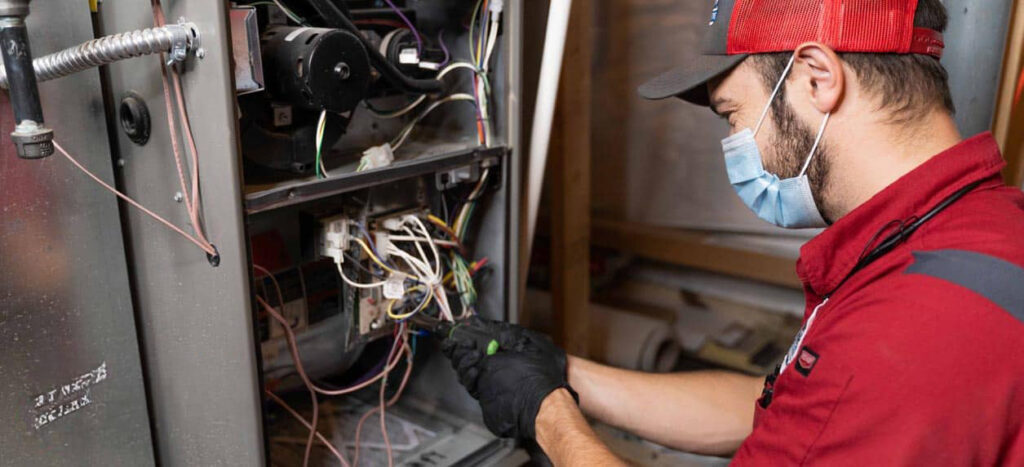
As the temperatures in Denver begin to drop, residents prepare to face the chilly winter months. Having a dependable heating system in your house is crucial to comfort and security. However, without regular furnace maintenance and repair, even the most dependable heating units can break down when you need them most. Taking proactive steps to ensure your furnace is in optimal working condition offers several benefits. From increased efficiency to cost savings, here’s why regular furnace repair in Denver is crucial for staying warm this winter.

1. Enhanced Energy Efficiency

A well-maintained furnace operates much more efficiently than one that is neglected. Over time, dust, debris, and worn-out components can accumulate and hinder your furnace’s performance. Higher energy usage and higher utility costs result from a dirty or faulty furnace forcing more effort to heat your home.

Ensuring that your furnace is clean, that its parts are properly oiled, and that any worn-out parts are replaced is ensured by routine furnace repair and maintenance. You save money on heating bills and energy waste by doing this, which maintains your furnace operating at maximum efficiency.

2. Prevention Of Costly Breakdowns

Preventing unplanned furnace malfunctions is among the strongest arguments in favor of routine maintenance. Winter in Denver can be harsh, and the last thing you want is for your furnace to stop working on a freezing night. Without regular inspections, minor issues like a malfunctioning thermostat, a clogged filter, or a worn-out blower belt can escalate into major repairs or even system failure.

Routine furnace check-ups allow HVAC professionals to identify and fix small problems before they become costly emergencies. This prolongs the life of your furnace and ensures that it will continue to reliably heat your house for many winters to come, saving you the trouble of an unexpected breakdown.

3. Improved Indoor Air Quality

Denver’s dry winter air can exacerbate indoor air quality issues, especially if your furnace is not properly maintained. When the furnace is operating, dust, pollen, and other impurities can build up in your heating system and disperse throughout your house. In particular, children and people with asthma or compromised immune systems may have respiratory distress, allergies, and other health complications as a result of this.

Regular furnace repair and maintenance include cleaning or replacing filters and ensuring the air circulating in your home is clean and safe. By improving the quality of the air your family breathes, you’re creating a healthier environment, which is particularly important during the months when windows and doors are kept closed.

4. Enhanced Safety For Your Home

Furnaces burn fuel to produce heat, and if components like heat exchangers, wiring, or gas lines are damaged or malfunctioning, your heating system could pose a safety hazard. Carbon monoxide leaks, electrical fires, or gas explosions are rare but serious risks associated with poorly maintained furnaces.

Regular furnace repair in Denver helps to mitigate these risks by ensuring that your unit is functioning properly and safely. Technicians can detect gas leaks, check for cracks in the heat exchanger, and ensure that all electrical connections are secure, giving you peace of mind that your home is protected.

5. Prolonged Furnace Lifespan

Like any major appliance, your furnace will wear down over time. However, with regular repair and upkeep, you can significantly extend its lifespan. A neglected furnace may require replacement after just ten years, whereas a well-maintained unit might last up to fifteen or twenty years.

By investing in regular furnace repair, you’re protecting the longevity of your heating system. This not only saves you money in the long run by delaying the need for a costly replacement, but it also ensures that your furnace operates reliably for years to come.

6. Increased Comfort During Winter

Above all, routine furnace maintenance guarantees that your house stays toasty and cozy all winter long. A properly maintained furnace heats your home evenly and efficiently, eliminating cold spots and drafts. You won’t have to worry about inconsistent heating or fluctuating temperatures – your furnace will keep your home at the perfect level of warmth no matter how cold it gets outside.

Conclusion

Regular furnace repair in Denver is essential for more than just preventing breakdowns. It enhances energy efficiency, improves indoor air quality, ensures the safety of your home, and prolongs the life of your heating system. Most importantly, it guarantees that you’ll enjoy consistent warmth and comfort throughout the winter. By scheduling routine maintenance, you’re making a smart investment in your home’s comfort and safety, all while saving money on costly repairs and energy bills. Don’t wait until your furnace breaks down – take action now to ensure a cozy winter.

The Hidden Dangers Of Vaping And The Importance Of Prevention

Vaping, often marketed by companies as a safer smoking alternative, has grown increasingly popular, especially among teenagers. The growing popularity of flavored e-cigarettes with sleek, discreet designs has led to the belief that vaping is an innocuous, trendy activity. In reality, vaping is associated with significant health risks which may not always be apparent. Research shows that vaping should be avoided, especially by young people.

This article will explore hidden dangers, the importance of preventing vaping early, and how to reduce its popularity among teenagers and young adults.

  1. Nicotine Addiction

In many electronic cigarettes, nicotine is found. This can be very concerning. Nicotine has a high level of addiction and can have serious effects over time on brain development. Due to the lack of tobacco usage, vaping has been promoted as a safer substitute. Many vape products contain nicotine concentrations, which can be as high as or higher than cigarettes.

Teenagers have developing brains, and nicotine addiction may occur faster and more intensely. Nicotine influences the brain’s reward systems, leading to addiction and making it hard to quit. Early exposure to nicotine increases the chance that you’ll use addictive substances later on in life. To protect a developing brain and minimize the risk of long-term addiction, preventing vaping during the teen years is vital.

  1. Respiratory Issues And Lung Problems

Due to the lack of tar or other hazardous substances, vaping may be a safer option than smoking regular cigarettes, but it is still risky for the lungs. E-cigarettes have a variety of substances and chemicals that can damage lung tissues, even when tobacco smoke is not present. Vape aerosols may contain heavy metals, volatile compounds, fine particles, and other harmful substances that can damage the lungs.

Media attention has increased in recent years, and e-cigarette and vaping products-associated lung injuries have been reported. EVALI includes symptoms such as coughing, chest discomfort, shortness of breath, and severe respiratory distress. In some cases, the injuries have even been fatal.

All should avoid vaping, but especially young people. They may not understand the risks. Even though the long-term consequences of inhaling vape aerosols still need to be studied, early findings indicate serious respiratory issues.

  1. Chemical Exposure And Unknown Long-Term Consequences

One of the hidden hazards of vaping is that it’s difficult to predict the long-term effects of using e-cigarettes. Vaping has been relatively new compared with traditional cigarettes. Traditional cigarettes have been extensively investigated over the years. As a consequence, we are unsure of the long-term consequences of vaping, especially for those who use e-cigarettes from a young age.

Vape fluids comprise various chemicals, such as propylene glycol, glycerine (flavorings), and nicotine. When heated up, these chemicals release aerosols for users to inhale. These substances are safe to consume in food, but the effects of inhaling them are still unknown. The heating process also produces toxic by-products. 

Due to the lack of data over a long period, there is no way to know what health risks young vapers may face. To avoid long-term exposure to potentially dangerous chemicals, vaping should be avoided.

  1. What Is The Role Of Schools, Parents, And Communities?

It’s not just up to individuals to stop vaping. Coordinating efforts between parents, schools, communities, and policymakers is important. Parents play a crucial role in preventing e-cigarettes by having an honest and open conversation with their children about the dangers. Schools can implement a vaping prevention program and educate their students on the dangers of nicotine dependence and lung injury.

Communities can also collaborate to create an atmosphere where vaping is discouraged. This can include passing local regulations that restrict vape product sales to minors.

Conclusion

Vaping appears to be a safer option than smoking. But its hidden dangers are a major public health concern. This is especially true for young people. There are many risks associated with vaping, including nicotine addiction and lung damage. The long-term impact of vaping is still not known. By focusing on preventing Vaping during adolescence, we can reduce nicotine addiction in future generations.

Parents, schools, and the community all have an important role in educating and discouraging young people from vaping. Preventing vaping means more than avoiding immediate consequences. It is also important to protect one’s health in the long term.

Does Black Mold From Water Damage Make You Sick?

Many homeowners experience water damage from leaky pipes, flooding basements, or storms. Water damage affects your home’s structural integrity but can also be a major health concern: black mold. Black mold can rapidly grow and cause health problems. If you’ve experienced recent water damage, understanding the risks and how to work with a professional restoration company is important.

What Is Black Mold?

Black mold is a toxin-producing mold that thrives when damp, especially where water has caused damage. It usually appears as a blackish-green stain on surfaces such as ceilings, walls, and floors. When water damage is not addressed properly, mold can spread within 24 hours, leading to mold growth in basements, behind walls, and under floors.

Mold can be found in many places, including bathrooms, basements, and attics. Black mold is already possible if your home has recently suffered from water damage.

Black Mold: What To Do After Water Damage?

Black mold grows in damp, humid conditions. If water is not cleaned and dried properly, moisture is trapped in materials such as drywall insulation and carpet, creating ideal conditions for mold growth.

Unfortunately, black mold can form in difficult-to-see areas, such as behind walls or under floor coverings. By the time mold is visible, it’s often spread widely throughout the affected area.

You can find out what causes water damage and black mold by looking at the following:

  • Leaky Pipes or Plumbing Issues
  • Flooding resulting from heavy rainfall or storms
  • Lack of ventilation in humid areas (such as bathrooms or kitchens)
  • Roof leaks
  • Overflowing appliances like washing machines, dishwashers

Black Mold After Water Damage: What To Do?

Dealing with water damage as soon as it occurs is the key to preventing mold growth. Below are some steps to reduce the risk of mold development in your home.

  1. Quickly Dry the Area Affected: When water damage occurs, it’s essential to dry the affected area. Open windows, and run fans, and dehumidifiers to reduce moisture and promote airflow.
  2. Fixing the Water Damage Source: It doesn’t matter whether the water damage is caused by a roof leak or a leaky hose; the source must be fixed to prevent any further moisture from entering your home.
  3. Remove Damaged Materials: Water-damaged materials like drywall, carpets, and insulation must be removed. If they can’t be dried, you should replace them. These materials can harbor spores of mold and cause further mold growth.
  4. Monitor Moisture Levels: Maintain your home’s moisture levels below 60%. This will discourage mold growth. You can use a hygrometer to measure humidity in areas prone to moisture, such as basements or bathrooms.

Why Do You Need To Work With A Water Damage Repair Company?

You may feel overwhelmed by water damage or the possibility of black mold, particularly if your cleaning methods are not up to par. A professional water damage restoration company will be of great help.

Here are the reasons you need to hire an expert water damage restoration firm:

  1. Thorough and Rapid Water Extraction: A water damage company has specialized tools for quickly removing water and drying the affected areas. They can detect hidden moisture within walls and floors, which would otherwise go undetected.
  2. The Prevention of Mold Growth: Restoration Professionals are well-versed in mold prevention methods and can evaluate your home to check for signs. If mold growth is detected, restoration professionals can safely remove the mold to avoid further contamination.
  3. Structure Repair: The structural integrity of your home can be compromised by water damage. A restoration service will assess the damage and do any necessary repairs to keep your home safe.
  4. Save Time and Money: Correctly addressing water damage issues and mold can take time and be costly. Water damage restoration services can help save you both money and time.

Conclusion

Black mold from water damage can harm health, particularly for people with respiratory issues or weak immune systems. Act as soon as possible to avoid black mold if water damage is suspected in your house. The best way to ensure your home is thoroughly cleaned and mold-free is to hire a professional water damage restoration company. They will be able to identify the source of your water damage and remove the mold.

Caring for Your Nomination Jewellery: Expert Tips

When it comes to preserving the beauty and longevity of your Nomination Jewellery, proper care is essential. Whether you own a stunning Nomination Bracelet adorned with custom charms or a collection of elegant Nomination Charms, understanding how to care for your pieces ensures they remain as beautiful as the day you acquired them. This comprehensive guide will provide expert tips on maintaining your Nomination jewellery, so you can continue to enjoy and cherish your pieces for years to come.

Understanding Your Nomination Jewellery

What Makes Nomination Jewellery Special

Nomination Jewellery is renowned for its high-quality materials, unique designs, and customisable features. Crafted from durable metals such as stainless steel, gold, and rose gold, and often embellished with intricate enamel work or precious gemstones, each piece is designed to be both stylish and long-lasting. However, despite its robustness, regular care is required to keep your jewellery in top condition.

Expert Tips for Caring for Your Nomination Jewellery

1. Regular Cleaning

Why Cleaning is Important

Regular cleaning is crucial to prevent the buildup of dirt, oils, and grime that can dull the shine of your Nomination jewellery. Even though these pieces are made to withstand everyday wear, regular maintenance helps preserve their lustre and prevents tarnishing.

How to Clean Your Jewellery

  • Mild Soap and Water: For routine cleaning, mix a small amount of mild soap with warm water. Use a soft, lint-free cloth or a soft-bristled brush to gently clean your jewellery. Avoid using harsh chemicals or abrasive materials that could damage the finish.
  • Dry Thoroughly: After cleaning, dry your jewellery thoroughly with a soft, clean cloth to avoid water spots and residue buildup.

Special Considerations

  • Charms: For charms with intricate details or gemstones, a soft brush can help reach into small crevices. Be gentle to avoid dislodging any stones or damaging delicate enamel.
  • Bracelets: Pay attention to the links and clasps of bracelets, ensuring they are free from dirt and debris.

2. Proper Storage

Why Storage Matters

Proper storage is essential to prevent scratches, tangles, and exposure to elements that can tarnish your jewellery. Keeping your Nomination pieces organised and protected extends their lifespan and maintains their appearance.

Storage Solutions

  • Jewellery Box: Store your Nomination jewellery in a lined jewellery box or drawer. Separate compartments or pouches prevent pieces from rubbing against each other and causing scratches.
  • Anti-Tarnish Pouches: Use anti-tarnish pouches or cloths to protect your jewellery from tarnishing, especially if you’re storing it for an extended period.
  • Avoid Common Pitfalls
  • Avoid Direct Sunlight: Prolonged exposure to sunlight can affect the colour and quality of some gemstones and enamel.
  • Keep Away from Moisture: Avoid storing jewellery in damp or humid environments, as moisture can cause tarnishing and deterioration.

3. Handle with Care

Why Gentle Handling is Important

Gentle handling minimises the risk of physical damage to your jewellery. Rough handling or exposure to harsh chemicals can cause scratches, dents, or discolouration.

Tips for Safe Handling

  • Remove When Necessary: Take off your Nomination jewellery before engaging in activities that could expose it to chemicals, such as swimming, cleaning, or exercising.
  • Be Mindful of Clothing: Be cautious of your jewellery getting caught on clothing or other accessories that could cause damage.

Special Care for Specific Pieces

  • Charms: When changing or adding charms, handle them gently to avoid bending or breaking the links.
  • Bracelets: Be careful with the clasps and links to ensure they remain functional and intact with the Nomination Bracelet.

4. Avoid Exposure to Chemicals

Why Chemicals Can Be Harmful

Chemicals such as perfumes, lotions, and cleaning products can damage the finish and materials of your jewellery. Prolonged exposure can lead to discolouration and deterioration.

How to Protect Your Jewellery

  • Apply Products First: Apply lotions, perfumes, and hair products before putting on your Nomination jewellery to minimize exposure.
  • Clean After Contact: If your jewellery comes into contact with chemicals, clean it promptly to remove any residues.

5. Regular Professional Checks

Why Professional Maintenance is Beneficial

Periodic professional maintenance ensures that your Nomination jewellery is in optimal condition. Jewellers can perform more detailed cleaning, check for loose stones or damaged parts, and provide expert repairs if needed.

What to Expect from a Professional Check

  • Inspection: A jeweller will inspect the piece for any signs of wear or damage.
  • Cleaning: Professional cleaning may involve ultrasonic or steam cleaning methods that are more effective for removing deep-seated dirt.
  • Repairs: Any necessary repairs or adjustments will be handled to restore your jewellery to its original condition.

6. Protecting Against Tarnishing

Why Tarnishing Occurs

Tarnishing happens when metals react with sulfur or moisture in the air. Even durable materials like stainless steel can tarnish over time if not properly cared for.

Preventing Tarnishing

  • Store Properly: Use anti-tarnish pouches or cloths to minimise exposure to air and moisture.
  • Clean Regularly: Regular cleaning helps prevent tarnish buildup.

What to Do If Tarnishing Occurs

  • Polish: Use a jewellery polishing cloth to gently remove tarnish.
  • Consult a Professional: If tarnishing persists or if you’re unsure about how to handle it, consult a professional jeweller for advice and treatment.

7. Seasonal Care Tips

Why Seasonal Changes Matter

Seasonal changes can impact the condition of your Nomination jewellery. Winter weather, with its cold temperatures and low humidity, can cause metals to become brittle and more prone to scratches. Conversely, summer heat and humidity can lead to tarnishing and moisture-related issues.

What to Do

  • Winter: Protect your jewellery from harsh cold and dry air by keeping it stored in a lined jewellery box.
  • Summer: Clean your jewellery more frequently to remove sweat and sunscreen residues, and avoid exposing it to chlorinated water.

Conclusion

Caring for your Nomination jewellery involves a combination of regular cleaning, proper storage, gentle handling, and avoiding exposure to harmful substances. By following these expert tips, you can maintain the beauty and integrity of your Nomination Charms, Nomination Bracelets, and other Nomination Jewellery pieces. Regular maintenance not only preserves the appearance of your jewellery but also ensures that it remains a treasured part of your collection for years to come.

Embrace these care practices to keep your Nomination jewellery looking as stunning as the day you first wore it. If you have any specific concerns or need professional assistance, don’t hesitate to reach out to a reputable jeweller for guidance and support.