Finding the right storage unit involves more than simply choosing the first available space. Whether someone is moving, downsizing, renovating, or storing business inventory, selecting the proper facility can make a major difference in convenience, safety, and long-term value. Many renters overlook important details during the selection process, which can later create unnecessary stress or additional costs. Reviewing resources like McDowell Mountain Community Storage frequently asked questions can help renters better understand what to expect before committing to a storage agreement.
What Size Storage Unit Is Actually Needed?
One of the first questions people should ask is how much space they truly require. Renting a unit that is too small can create organizational problems, while choosing one that is too large may lead to paying for unused space every month.
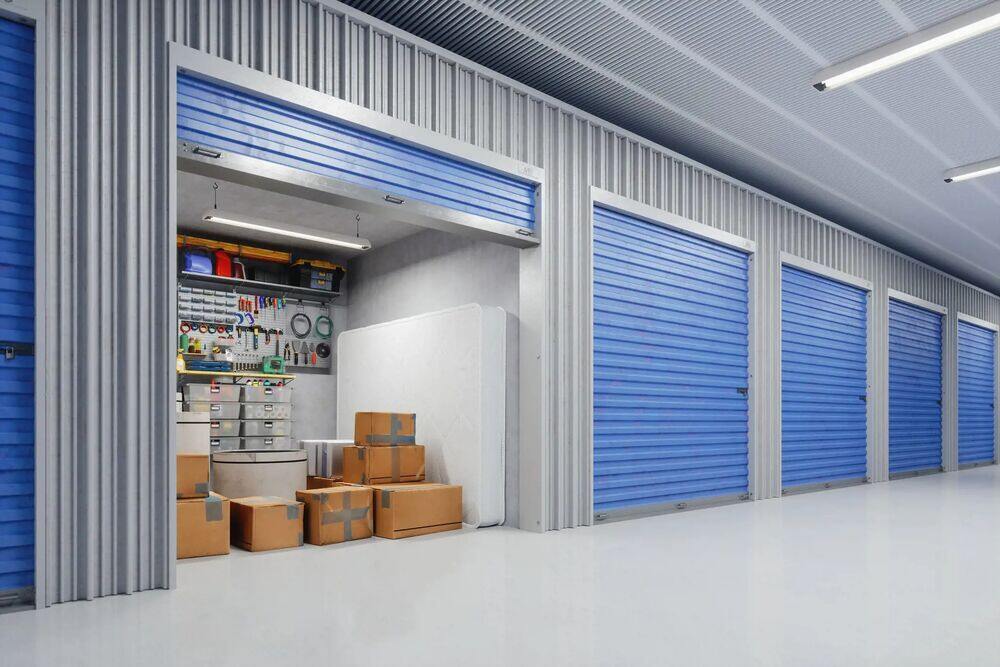
It is helpful to create a list of items that will be stored before visiting a facility. Furniture, seasonal decorations, appliances, boxes, office supplies, and sporting equipment all require different amounts of space. Some facilities provide size guides that compare unit dimensions to room sizes or moving truck capacities, making it easier for renters to estimate their needs accurately.
Thinking ahead is also important. If additional items may need storage in the future, selecting a slightly larger unit could prevent the hassle of upgrading later.
How Secure Is The Storage Facility?
Security is one of the biggest concerns when storing valuable belongings. Before selecting a unit, renters should ask about the security measures used throughout the property.
Important features may include gated access systems, surveillance cameras, keypad entry, on-site management, motion-activated lighting, and individual unit alarms. A clean and well-maintained facility often reflects a stronger commitment to overall safety.
People storing important business equipment, family heirlooms, electronics, or confidential files should pay even closer attention to security standards. Asking detailed questions about how access is monitored can provide greater confidence when leaving belongings in storage for extended periods.
Are Climate-Controlled Units Available?
Temperature and humidity can damage sensitive items over time. Wooden furniture may warp, electronics can deteriorate, photographs may fade, and documents could become brittle in extreme conditions.
This is why many renters ask whether climate-controlled units are available. These specialized spaces help regulate temperature and moisture levels throughout the year. While they may cost slightly more than traditional units, they often provide better protection for valuable or delicate belongings.
Anyone storing artwork, antiques, musical instruments, collectibles, or important paperwork should strongly consider climate-controlled options.
What Are The Access Hours?
Convenience matters when choosing a storage facility. Some locations offer limited operating hours, while others allow extended or even 24-hour access.
Before signing a rental agreement, customers should ask how frequently they can access their belongings and whether restrictions apply during holidays or weekends. People using storage for business inventory or work equipment may especially benefit from flexible access schedules. Understanding access policies in advance prevents unexpected frustrations later.
What Costs And Fees Are Included?
Monthly rent is not always the only expense associated with storage units. Some facilities charge additional fees for administration, insurance, locks, late payments, or moving supplies.
Asking for a full breakdown of costs helps renters compare facilities more accurately. It is also wise to ask whether promotional pricing is temporary or long-term. Some low introductory rates increase significantly after the first few months.
Transparent pricing policies often indicate a more trustworthy and customer-focused storage provider.
Is Insurance Required?
Many storage renters are surprised to learn that facilities may require insurance coverage for stored belongings. Some locations offer their own protection plans, while others accept policies through homeowners’ or renters’ insurance providers.
Understanding insurance requirements before moving items into a unit can help renters avoid delays or confusion. It is also important to ask what types of damage or loss are covered under the policy. Facilities that clearly explain insurance options often make the rental process much smoother.
How Clean And Maintained Is The Facility?
The condition of a storage property says a great deal about its overall management quality. During a visit, renters should pay attention to cleanliness, lighting, pest control measures, and the general appearance of the property.
Hallways should be clear, units should appear dry and secure, and the grounds should feel organized. Poor maintenance may signal future issues involving leaks, pests, or security concerns.
Are Moving And Loading Features Available?
Moving heavy belongings can be difficult without the right support. Before choosing a storage unit, renters should ask whether the facility offers helpful moving features such as elevators, loading docks, carts, wide driveways, or drive-up access.
These conveniences can save significant time and physical effort during move-in and move-out days. Facilities designed for easy loading often provide a more efficient overall experience.
Conclusion
Choosing a storage unit should involve careful planning rather than a quick decision based only on price or location. Asking the right questions about size, security, climate control, access, maintenance, insurance, and additional costs can help renters avoid common problems while finding a facility that truly fits their needs. By reviewing important details early, individuals and businesses can make more confident decisions and enjoy a smoother storage experience from the beginning.